
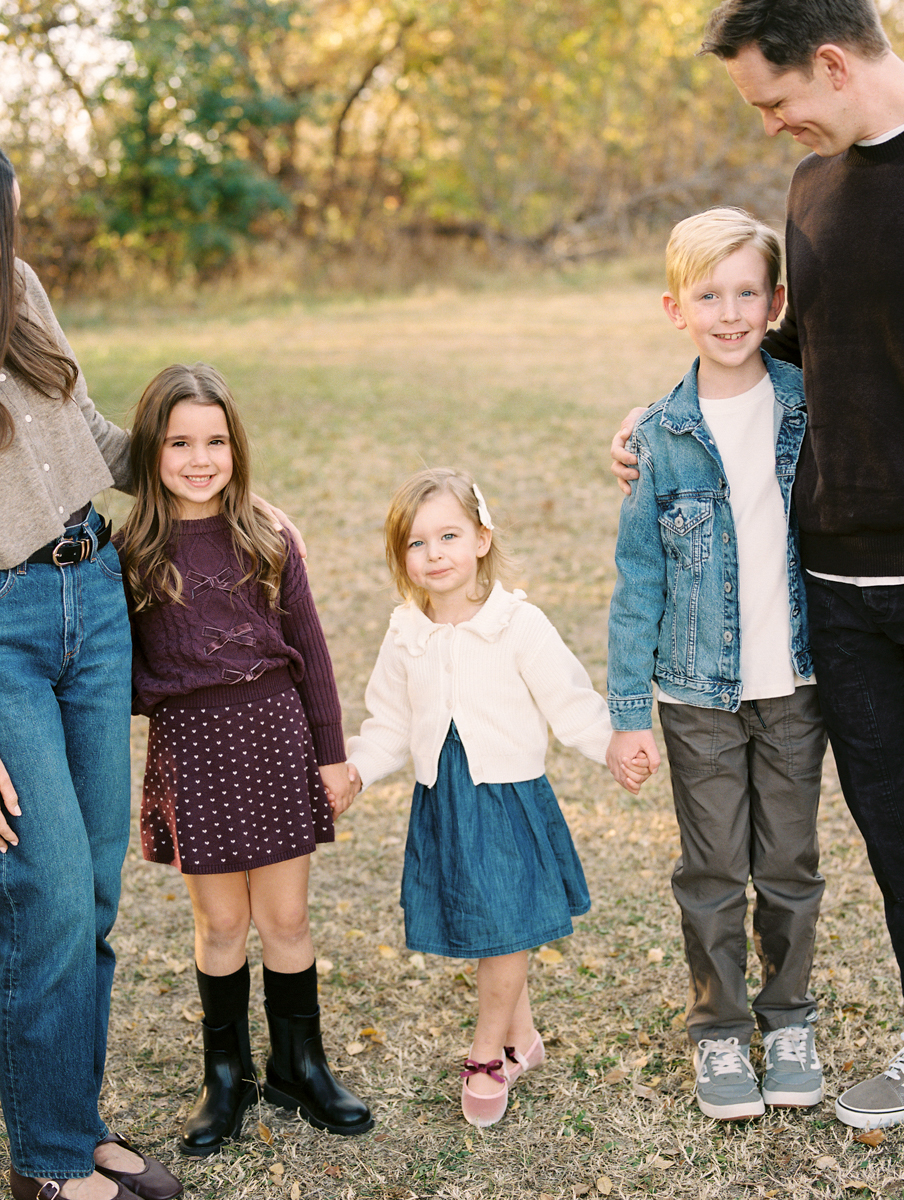
“What if my kid doesn’t behave?” is one of the questions I hear most from parents before a session. It’s a fair worry. But your child doesn’t need to cooperate, sit still, or smile on cue for us to walk away with photographs you’ll love.
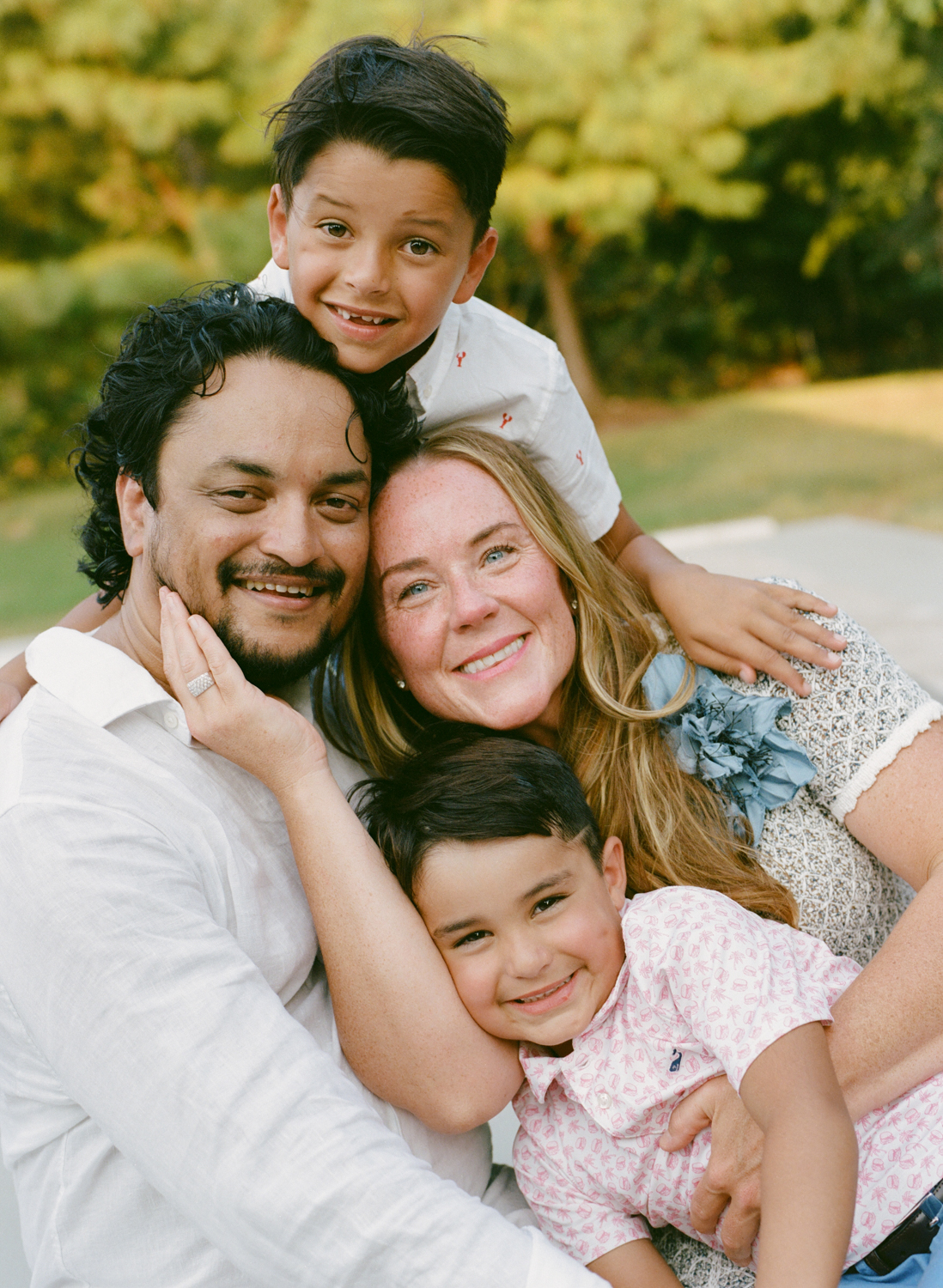
Kids don’t need to perform for a session to go well. They need to feel safe, unhurried, and a little prepared. As an Oklahoma City family photographer who works at a slow, intentional pace, I’ve noticed the sessions that feel most natural are almost never the ones where a child was coached the most. They’re the ones where a child was simply set up to feel okay.
A few things make a real difference.
Talk About It Like an Adventure, Not an Event
Kids pick up on pressure quickly. If a session feels like something to get through, that pressure makes it harder for them to relax and be themselves. Talk about it casually — you’re going to spend time together, explore, play, and meet me. There’s no need to prep them to smile or sit still.
For younger kids, keep it simple: “We’re going to visit a pretty field and spend some time together.” Let them know there’s room to move and play. The goal isn’t performance — it’s just helping them know what to expect. If they’re old enough to ask questions, let them. Curiosity tends to ease anxiety, not add to it.
Protect Their Rhythm
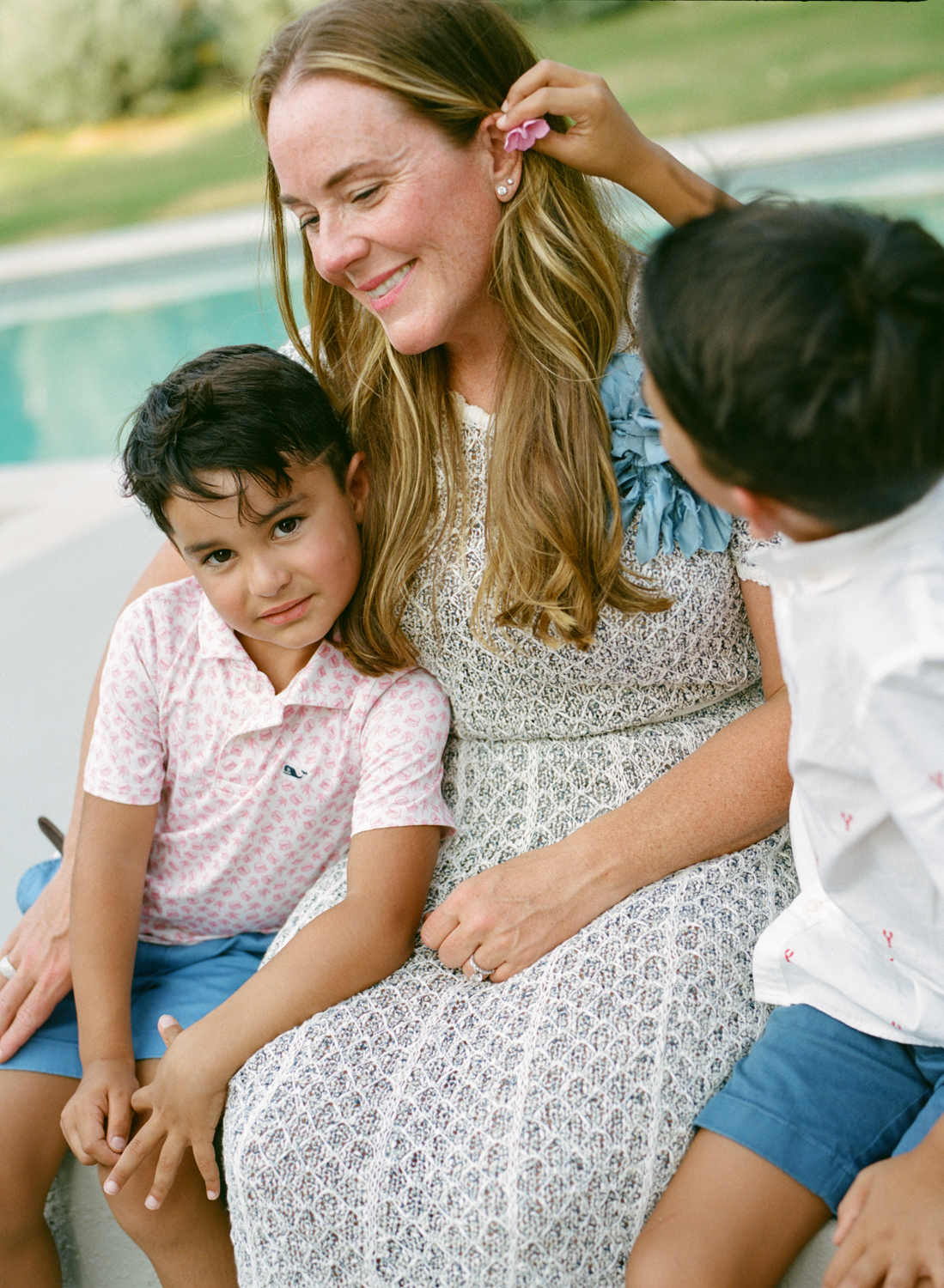
One of the simplest ways to help your child feel comfortable is to work with their natural rhythm, not against it. If they’re happiest after a nap, or tend to get tired later in the day, that’s useful for me to know.
A session scheduled around your child’s best hour will always outperform one scheduled around anyone else’s convenience — including “ideal” golden-hour light. Beautiful light doesn’t make up for an overtired toddler. If your family has a predictable rhythm — an early riser, a strict nap window, late-afternoon fussiness — tell me. I’d rather build the session around your child’s actual day than force them into an arbitrary time slot.
Let Them Wear Something They Actually Like
Coordinated doesn’t have to mean matching, and it definitely doesn’t have to mean uncomfortable. A stiff collar or shoes that pinch become a distraction fast. Give your child a small say — a choice between two outfits, their own shoes, whether they wear a bow.
A kid who feels good in their clothes has one less thing standing between them and being themselves. If they already dislike wearing something, session day isn’t the day to introduce it. Comfortable clothing means more freedom to focus on being with family instead of fidgeting.
Skip the Rehearsal
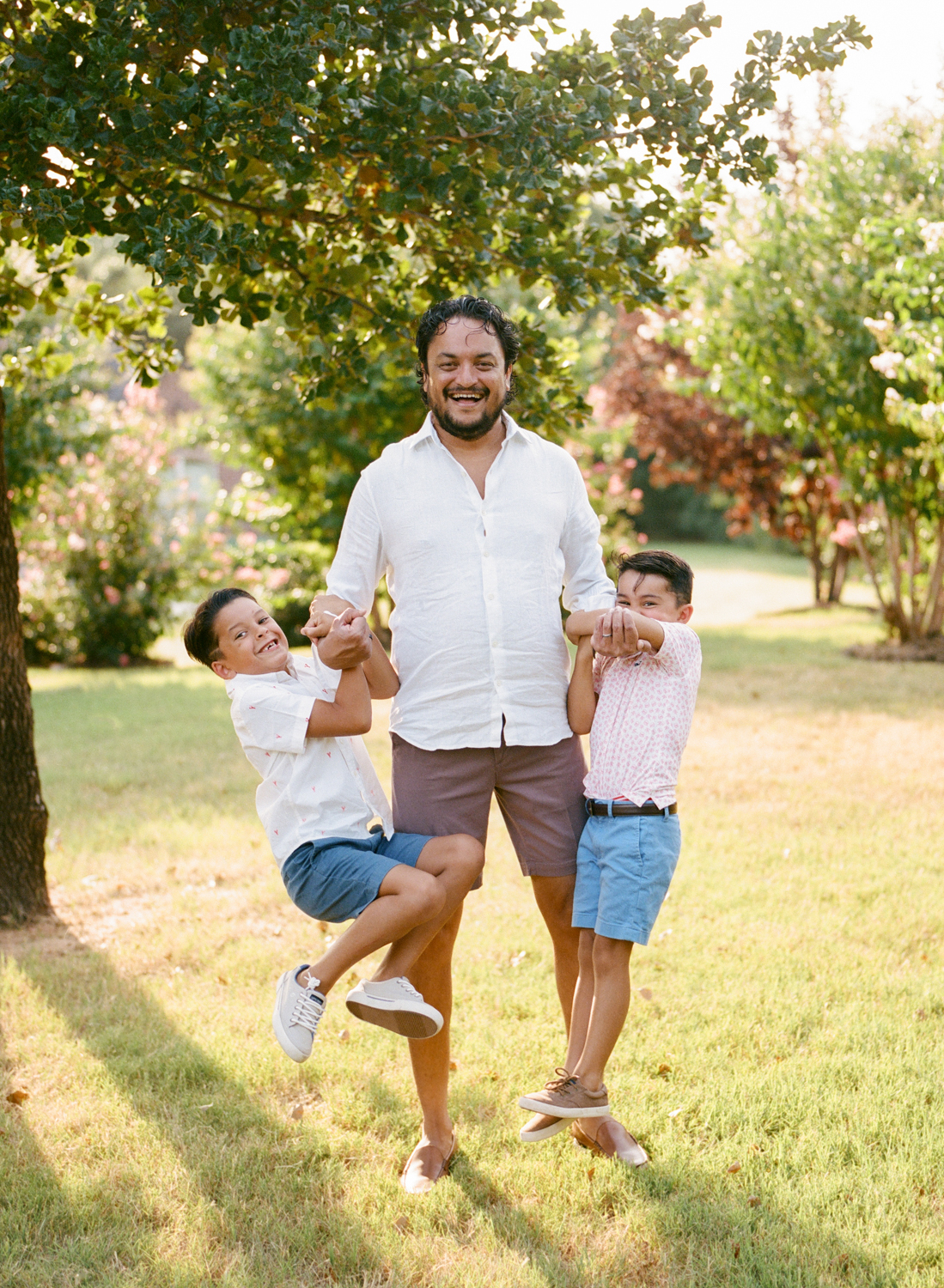
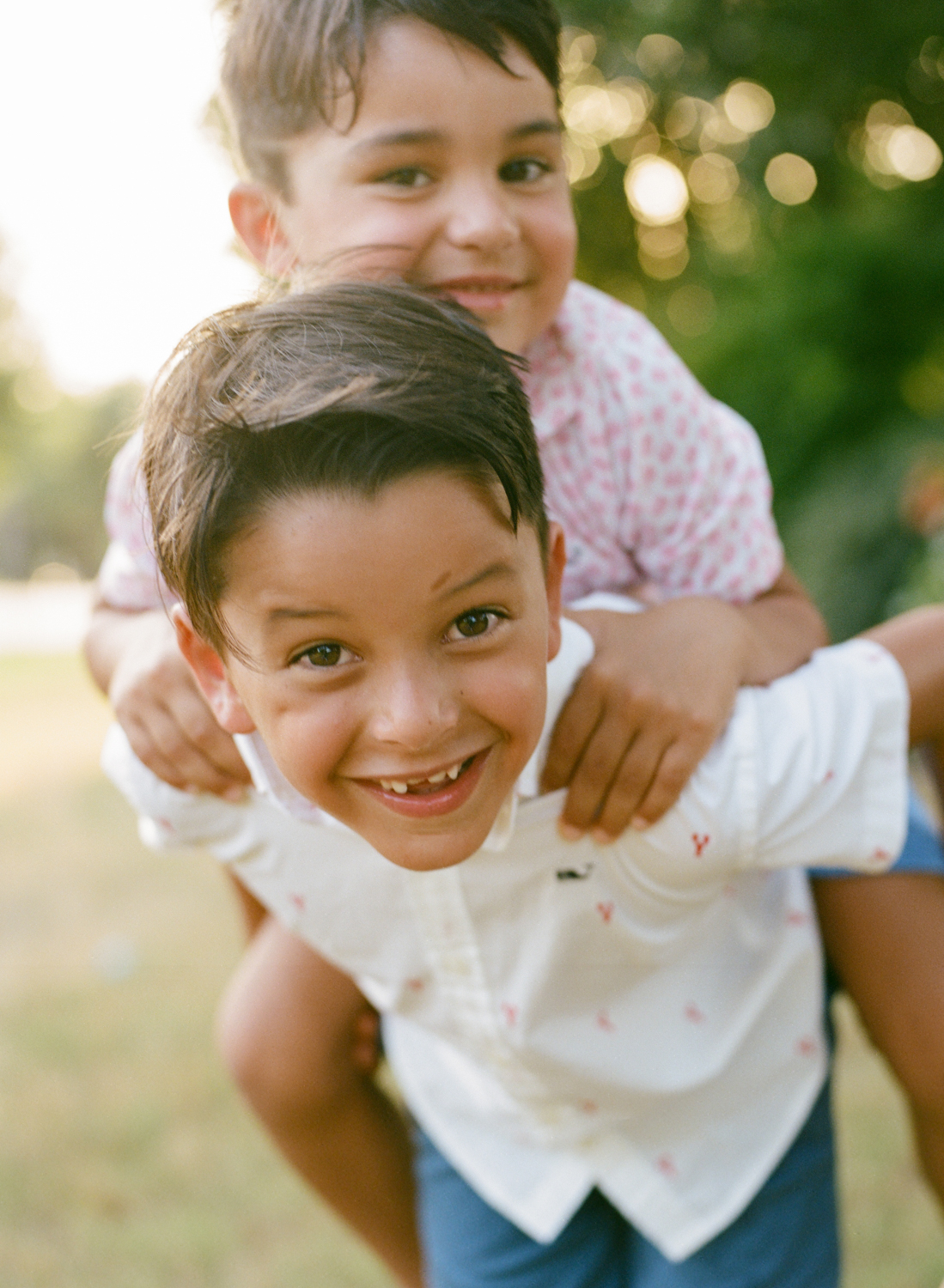
You don’t need to practice smiling in the mirror the night before — I’d gently discourage it. The photographs that tend to matter most aren’t the perfectly posed ones. They’re the in-between moments: a hand reaching for a sibling, a laugh caught mid-sentence, the way your child tilts their head when they’re concentrating. Those can’t be rehearsed. They can only be allowed to happen.
If anything, the best preparation is the opposite of rehearsal — don’t make a big deal out of the day. Kids mirror the energy around them, and a family that treats session day like any other outing tends to have a far more relaxed experience.
Let Them See You Relaxed
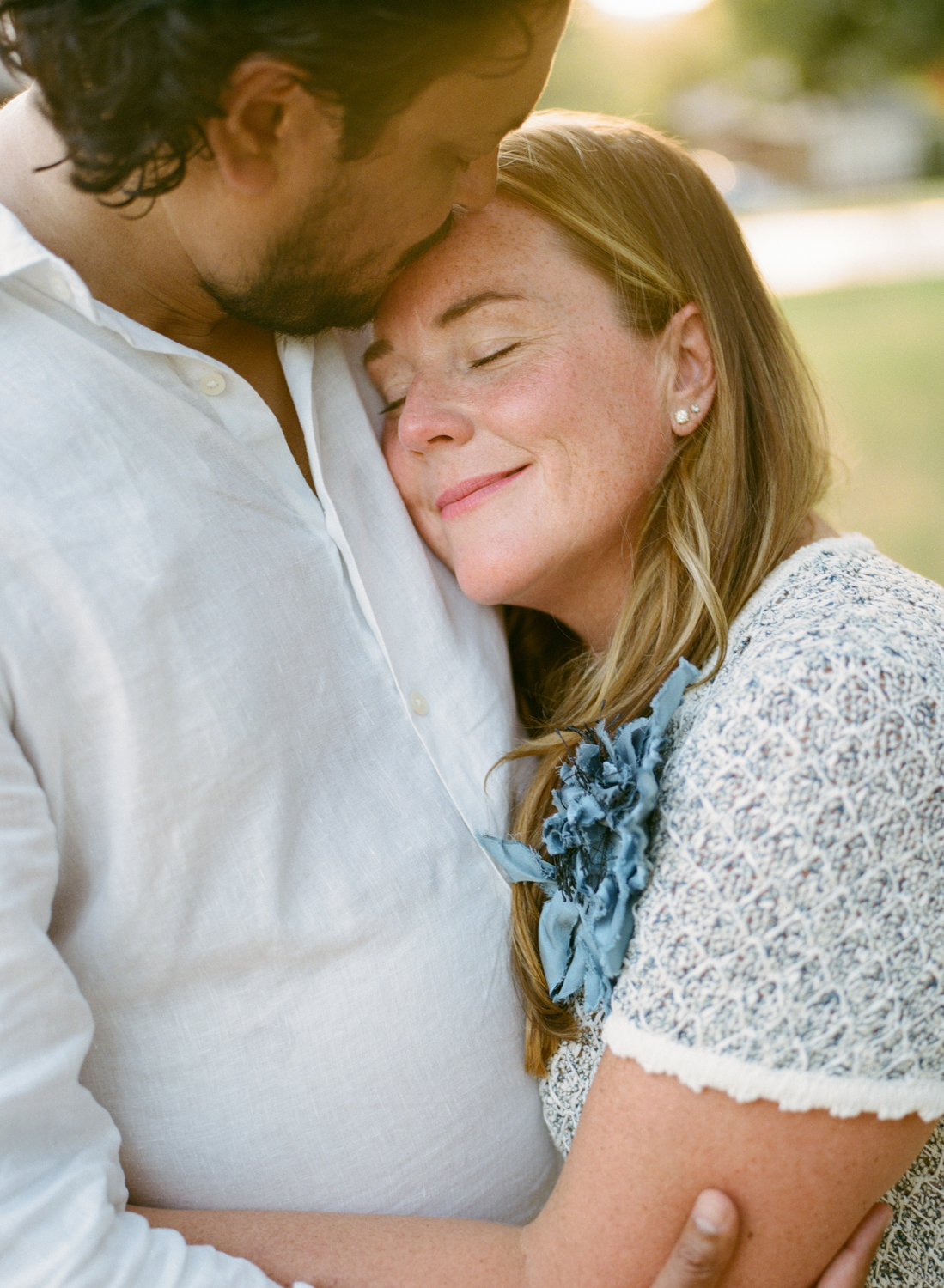
Kids are remarkably good at picking up on the energy around them. If you’re worried about whether the session is going “right,” your child may feel that too. Give yourself permission to relax and be present. You don’t have to make anything happen — just show up without an agenda and trust the process.
I build in time for kids to warm up, wander, and be a little silly before we look for genuine connection in front of the camera. That warm-up isn’t wasted time — often, it’s where the session truly begins, long before I’ve taken what anyone would call “the photo.”
There’s No Such Thing as a Perfect Session
A session with a fussy toddler or a squirmy newborn isn’t a failed one. Real family life includes wiggles, big feelings, and quiet moments in between — held with patience instead of frustration, those often become part of the story too.
My job isn’t to erase that reality. It’s to move through it calmly and find the honest, tender moments on the other side of it. Some of the images families love most weren’t the easy frames — they were taken five minutes after a meltdown, once everyone had caught their breath and settled back into being together.
What This Looks Like in Practice
I’ll walk you through timing, wardrobe, and location well before your session date, so none of this falls on you to figure out alone. On the day itself, expect a slow start, plenty of space for your kids to be themselves, and a photographer more interested in genuine connection than rehearsed moments.
Think of your role on session day as simply showing up and being present with your family. Mine is to create space for those genuine moments to unfold, guide you when needed, and wait patiently for the moments that feel like you.
FAQs
What if my child refuses to participate?
It happens, and it’s okay. I build extra time into every session for warm-up, breaks, and redirection. Some of my favorite images have come from the ten minutes after a meltdown. A rough start is rarely how a session ends.
Should I bribe my kids with a treat to behave?
A small incentive at the end is fine — I’d avoid using it as leverage during the session itself. Kids sense when something is a bargaining chip, and it tends to add pressure rather than ease it. A treat framed as something to look forward to afterward works better than one dangled mid-session.
How long should we expect the session to take? Sessions move at a calm, unhurried pace rather than a fixed script, so timing varies by family. What matters more than the clock is giving your child room to warm up before we ask anything of them. Rushing almost always backfires.
What’s the best age for kids to have their photo taken?
There isn’t one. Every stage has something worth capturing — the wobbly newness of early walking, the full-personality chaos of the toddler years, the quieter confidence of older kids.
Do you have any tricks for getting genuine smiles?
I use playful prompts throughout the session to help real smiles surface naturally, but I’d also encourage parents to play and joke with their kids while we’re together. That back-and-forth does more to help a child relax than anything I could ask of them directly, and it almost always leads to the most genuine expressions.

My love for photography began in a high school darkroom, watching images slowly appear. Since then, I’ve been drawn to quiet, meaningful moments rooted in connection and home. As a mother of three and a film photographer, I approach each story with care, seeking what’s honest and lasting.
Here on the blog, you’ll find recent sessions, tips, and reflections—whether you’re a fellow creative, a brand, or a mother wanting to capture this season. I hope it leaves you inspired and more in love with your own story.

